

Mopar Radiators


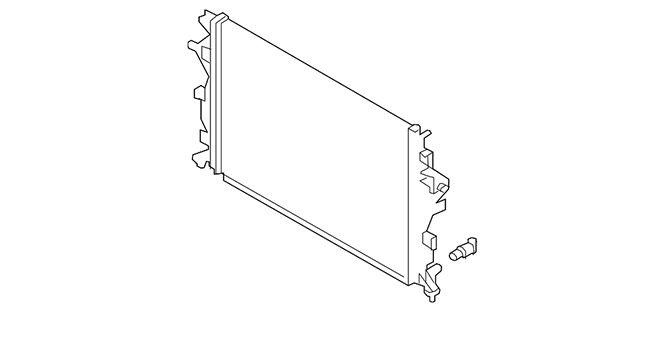


No results found for "radiator". Here are some helpful search tips:
- Search by a part name. Example: water pump.
- Be less specific. Example: brake instead of ceramic brake.
- Remove information such as make, year or model.
- Can't find the part you are looking for? Contact us and we'll find it for you!
Genuine OEM Mopar Radiators
The radiator is the heart of your vehicle’s cooling system, and few parts are more important to the health of your engine. It sheds the enormous heat produced by combustion, keeping the engine at its correct operating temperature so it runs efficiently and doesn’t overheat. When a radiator fails — through a leak, internal clogging, or physical damage — the consequences escalate quickly, from a temperature warning to an overheated engine that can suffer serious, expensive damage. At Mopar Superstore, every radiator is a genuine OEM Mopar part, engineered to your vehicle’s exact cooling requirement, size, and mounting, and offered at sale pricing with fast nationwide shipping. That precise engineering is why a genuine radiator restores full cooling capacity and bolts in without the fit and performance compromises of a generic replacement.
This page explains how the radiator works within the cooling system, the warning signs of a failing radiator, how to choose the correct part for your Chrysler, Dodge, Jeep, Ram, or Fiat, and what to know about replacement. Because overheating is one of the fastest ways to damage an engine, understanding your cooling system and acting on the warning signs is genuinely important — and a genuine radiator is the reliable way to keep your engine at the right temperature.
How the Radiator Works
Your engine produces a tremendous amount of heat, and the cooling system’s job is to carry that heat away and release it. Coolant circulates through passages in the engine, absorbing heat, then flows to the radiator. The radiator is a heat exchanger: coolant passes through a network of thin tubes and fins with a large surface area, and as air flows through the radiator — from the vehicle’s motion and the cooling fan — it carries the heat away, cooling the coolant before it returns to the engine to repeat the cycle. A thermostat regulates the flow to keep the engine at its ideal temperature, and the water pump drives the circulation.
The radiator is central to this system, and when it can’t do its job — because it’s leaking coolant, clogged internally, or has damaged fins — the whole system loses its ability to control temperature. Because cooling is tied to the overall health of the engine and its accessories, radiator service pairs naturally with broader engine maintenance like fresh oil filters and spark plugs, which keep the engine running clean and efficient alongside a properly cooling radiator.
Signs Your Radiator Needs Replacing
Overheating
The most serious and obvious sign. If your temperature gauge climbs into the hot zone or you get an overheating warning, stop driving as soon as it’s safe — continuing can cause severe engine damage. A failing radiator that can’t shed heat is a common cause.
Coolant leaks
Puddles of coolant (often green, orange, or pink) under the vehicle, or a persistently low coolant level, point to a leak. Radiators develop leaks at the seams, in the tubes, or where plastic end tanks crack with age and heat cycling.
Low coolant and frequent top-offs
If you find yourself adding coolant regularly, the system is losing it somewhere, and the radiator is a prime suspect.
Discolored or contaminated coolant
Rusty, sludgy, or discolored coolant indicates internal corrosion or contamination that can clog the radiator’s narrow passages, reducing its ability to cool.
Physical damage
Because the radiator sits at the front of the vehicle, road debris and minor front-end impacts can bend fins or puncture the core.
Steam or a sweet smell
Steam from under the hood or a sweet odor (the smell of coolant) signals a cooling system leak that needs immediate attention.
Radiators by Mopar Brand
Jeep — Wrangler, Gladiator, Grand Cherokee, and Cherokee models work hard, and off-road use, low-speed crawling, and towing all raise cooling demands. Debris and trail impacts can also damage the radiator, making a correctly-sized genuine replacement important for reliable cooling.
Ram — 1500, 2500, and 3500 trucks, especially when towing and hauling, place heavy demands on the cooling system, and the radiator must have the full capacity the vehicle was engineered for. A genuine radiator ensures that capacity is correct.
Dodge — The Charger, Challenger, and Durango, particularly performance variants, generate significant heat, so a full-capacity, correctly-fitting radiator is essential to keep temperatures in check.
Chrysler — The 300 and Pacifica rely on their cooling systems for smooth, trouble-free operation, where a genuine radiator maintains correct temperature control.
Fiat — The 500’s compact engine still depends on proper cooling, and the correct genuine radiator keeps it running at the right temperature.
Add your vehicle or enter your VIN so the catalog shows the exact radiator — correct size, capacity, and connections — for your model, year, engine, and configuration.
How to Choose the Right Radiator
Radiator fitment depends on more than the vehicle model — it often varies by engine, transmission, and options like towing packages, because those change the cooling load and the radiator’s connections. A radiator for a V6 may differ from the V8 version, and a tow-package vehicle may use a higher-capacity unit. This makes precise fitment essential. The most reliable path is to add your vehicle or enter your VIN so the catalog matches the exact radiator to your configuration, including the correct inlet and outlet placement, transmission cooler provisions if equipped, and mounting.
Getting this right matters because an undersized or incorrect radiator won’t provide the cooling capacity your engine needs, especially under load, and mismatched connections can cause leaks or fitment problems. Since the cooling system works alongside the rest of the engine, a radiator replacement is also a sensible time to refresh related maintenance items — new oil filters and spark plugs keep the engine running clean, and a healthy alternator ensures the electric cooling fan and the rest of the electrical system have the power they need.
Replacing a Radiator: What to Expect
Replacing a radiator is a moderately involved job that a capable do-it-yourselfer can tackle with basic tools, patience, and care, though it requires handling coolant responsibly. The general process: let the engine cool completely first — never open a hot cooling system, as pressurized hot coolant can cause serious burns. Drain the coolant into a container for proper disposal or reuse. Disconnect the upper and lower radiator hoses, the cooling fan and any electrical connectors, and, on vehicles with an integrated transmission cooler, the transmission lines (catching any fluid). Remove the mounting hardware and lift the radiator out, taking care not to damage the fins or surrounding components. Install the new radiator in reverse order, reconnect everything securely, and refill with the correct coolant.
The critical final step is to bleed the cooling system of air, following your vehicle’s procedure, and then run the engine to operating temperature while watching for leaks and confirming the temperature stabilizes and the fan cycles. Trapped air can cause overheating even with a new radiator, so this step matters. Use the correct coolant type for your vehicle, as the wrong coolant can cause corrosion and compatibility problems. Because genuine OEM radiators are built to your exact vehicle, the connections, mounts, and capacity are correct, making the installation straightforward and the result reliable. If any part of the job — coolant handling, bleeding, or transmission lines — is outside your comfort zone, a shop can handle it efficiently.
Why Choose OEM Mopar Radiators?
Genuine Mopar radiators are engineered to your vehicle’s exact cooling requirement, size, capacity, and connections, so they restore full cooling performance and bolt in without modification. This matters more than it might seem: cooling capacity is calculated for your specific engine and its heat output, and an incorrect or undersized radiator can leave your engine running hot under load, risking the expensive damage that overheating causes. Genuine radiators also use the correct materials and construction for durability against the pressure and heat cycling that eventually crack lesser parts. For a component whose failure can destroy an engine, the certainty of a correctly-sized, properly-fitting genuine radiator is well worth it. Add your vehicle or enter your VIN to confirm exact fitment, and keep the whole engine healthy with fresh oil filters, spark plugs, and a strong alternator.
Maintaining Your Cooling System
A new radiator lasts longest as part of a well-maintained cooling system. Keep the coolant fresh and at the correct level, and replace it at your vehicle’s recommended interval, since old coolant loses its corrosion protection and can allow the internal rust and sludge that clog radiators. Always use the correct coolant type and mix. Periodically inspect the hoses and clamps for softness, cracks, or leaks, since a failing hose can starve the radiator of coolant, and keep the front of the radiator clear of leaves, bugs, and debris that block airflow. Watch your temperature gauge and address any creep toward hot promptly, and check for leaks after any cooling work. With this basic care, a genuine Mopar radiator will keep your engine at the right temperature for years and help you avoid the sudden, costly failures that catch owners off guard.
The Cooling System Beyond the Radiator
The radiator is the centerpiece of cooling, but it works as part of a system, and understanding the supporting parts helps you diagnose problems and keep the whole system healthy. The thermostat regulates coolant flow, opening as the engine warms to let coolant reach the radiator; a stuck thermostat can cause overheating or prevent the engine from reaching operating temperature. The water pump drives circulation, pushing coolant through the engine and radiator; a failing pump reduces flow and cooling. The cooling fan — electric on most modern vehicles — pulls air through the radiator at low speed and when stopped, which is exactly when airflow from motion is lowest; a fan that doesn’t cycle causes overheating in traffic. The hoses and clamps carry coolant between components and are common leak points as they age and harden. The radiator cap maintains system pressure, which raises the coolant’s boiling point; a failing cap can cause boil-over. And the coolant itself carries the heat and protects against corrosion and freezing.
When you have a cooling problem, the radiator is a prime suspect but not the only one, so it’s worth considering the whole system. If overheating persists after a radiator replacement, the thermostat, water pump, fan, or trapped air are the usual next suspects. Because the electric cooling fan and other systems depend on steady electrical power, a healthy alternator is part of a well-functioning cooling system, and keeping up with broader engine maintenance like fresh oil filters and spark plugs keeps the engine running efficiently and generating less excess heat.
Ordering Your Genuine Mopar Radiator Online
Ordering a radiator from Mopar Superstore is straightforward when you confirm your configuration, which matters here more than on most parts. Add your vehicle or enter your VIN so the catalog matches the exact radiator to your model, year, engine, transmission, and options — because cooling load and connections vary by powertrain, a radiator for one engine or a tow-package vehicle can differ from another. Because these are genuine OEM radiators on sale, you get a unit built to your vehicle’s exact cooling capacity and mounting, typically for less than dealer pricing, shipped nationwide. Before you install, gather the correct coolant type for your vehicle, and plan to bleed the system of air after refilling, since trapped air can cause overheating even with a new radiator. A radiator job is also a natural time to inspect the supporting cooling parts — hoses, clamps, and the cap — and to refresh broader engine maintenance like oil filters and spark plugs so the whole engine runs clean and cool. With a correctly-matched genuine radiator and a proper fill and bleed, you’ll restore full cooling and protect your engine from the costly damage overheating causes.
Preventing Overheating: Best Practices
Because overheating is one of the fastest ways to cause serious engine damage, a little prevention goes a long way, and a genuine radiator is the foundation of it. The single most important habit is to watch your temperature gauge and act on any creep toward the hot zone immediately — catching a cooling problem early is the difference between a routine repair and a destroyed engine. Keep the coolant fresh and full, replacing it at your vehicle’s recommended interval with the correct type, since old coolant loses its corrosion protection and lets rust and sludge clog the radiator. Inspect hoses and clamps periodically for softness, cracks, or seepage, because a failing hose can starve the radiator of coolant in minutes. Keep the front of the radiator clear of leaves, bugs, and debris that block the airflow it depends on. And confirm the cooling fan cycles, since it does the cooling work in traffic and at low speed when there’s little airflow from motion.
If your vehicle does begin to overheat, pull over safely and shut it off as soon as you can — continuing to drive an overheating engine risks warped heads, blown gaskets, and worse, damage that dwarfs the cost of a radiator. Never open a hot, pressurized cooling system. Addressing a failing radiator promptly with a correctly-matched genuine part, and keeping the supporting cooling components healthy, is the reliable way to avoid the sudden, expensive failures that catch owners off guard. Add your vehicle or enter your VIN to confirm the exact radiator for your engine and configuration.
Frequently Asked Questions
Will this radiator fit my exact vehicle? Radiator fitment varies by engine, transmission, and options, not just model. Add your vehicle or enter your VIN so the catalog matches the exact radiator — correct size, capacity, and connections — to your configuration.
What are the signs of a bad radiator? Overheating, coolant leaks or puddles, frequent coolant top-offs, discolored or sludgy coolant, steam or a sweet smell, and physical fin or core damage are the main warning signs.
Can I keep driving with a leaking radiator? No — a leaking radiator loses coolant and can let the engine overheat, which causes serious, expensive damage. Address it promptly and don’t drive an overheating vehicle.
Can I replace a radiator myself? Yes, a capable DIYer can, with care handling coolant and bleeding the system of air afterward. Let the engine cool fully first, use the correct coolant, and watch for leaks after refilling.
Why does fitment depend on my engine? Different engines and tow packages produce different heat loads and use different radiator sizes and connections, so the correct radiator is matched to your specific powertrain and options.
Do I need to use a specific coolant? Yes — use the coolant type specified for your vehicle. The wrong coolant can cause corrosion and compatibility problems that shorten the life of your new radiator.
Are these genuine OEM Mopar parts? Yes. Every radiator we sell is a genuine OEM Mopar part made to factory specifications for Chrysler, Dodge, Jeep, Ram, and Fiat vehicles — not an aftermarket copy.